





1 min read
How to Build Accountability in Remote and Hybrid Teams
In-office. Remote. Hybrid. Multiple locations. No matter where or how your work gets done, dependable communication matters more than ever. While the...
IT built for regulatory scrutiny and cyber risk backed by core system expertise.
HealthcareSecure, always-available clinical systems for patient care continuity.
Education & Public ServicesReliable infrastructure for always-on learning, government services, and mission-driven organizations.
24/7 multi-property uptime for complex hospitality environments.
Professional ServicesProtect billable productivity and client data—for law firms, engineering & consulting, architecture, and accounting.
ManufacturingOperational continuity for production systems and complex plant networks.
The Strategic IT Budgeting Guide
Access Guide ->
We are the stewards for the long-term success of our customers and employees.
Explore our culture -->
Meet the team -->
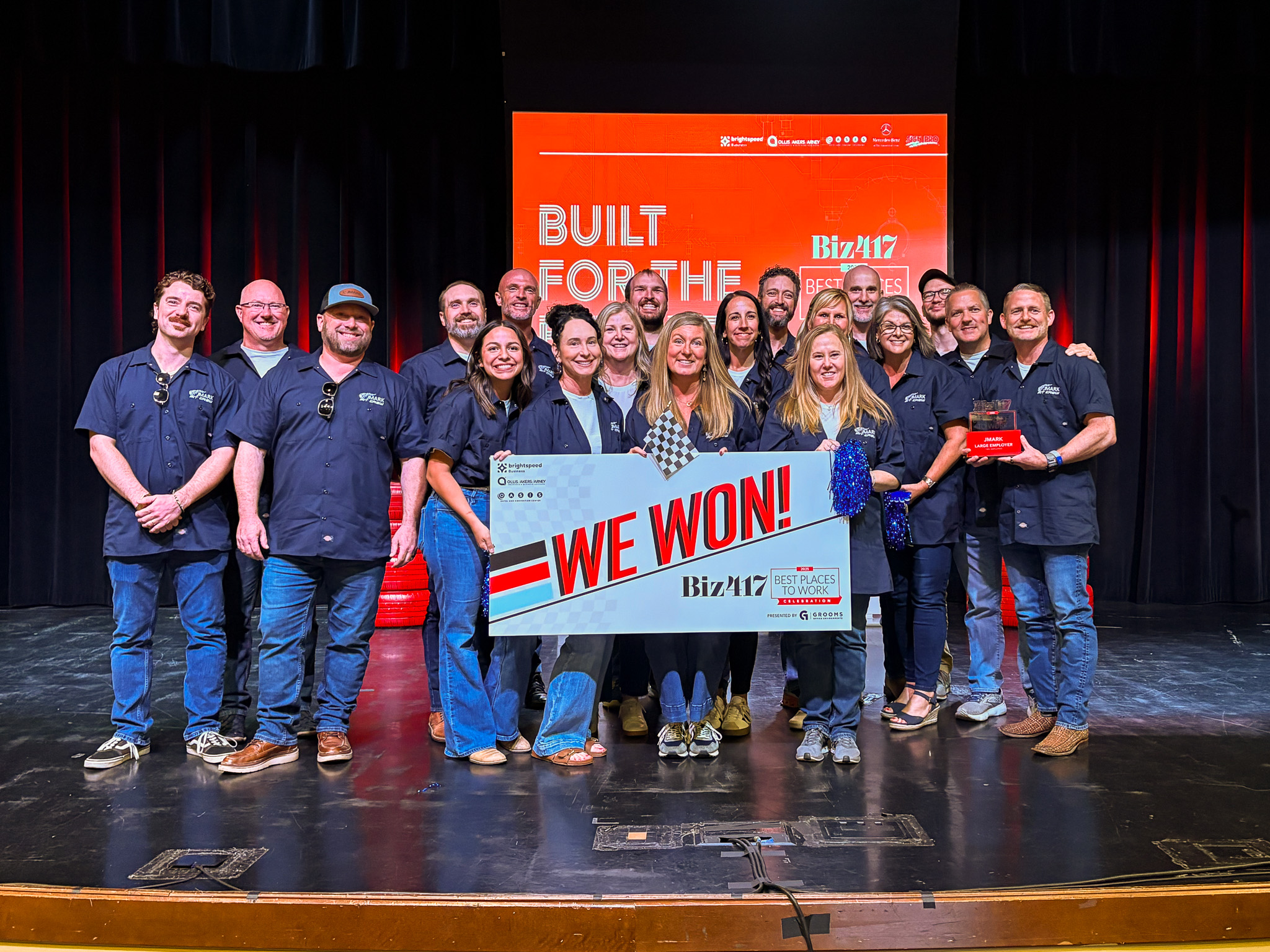
The #1 Best Place to Work in Southwest Missouri. We put people first.
Working at JMARK -->
Open Positions -->
Thomas H. Douglas
, CEO
TL;DR
Remote and hybrid work succeeds when four things are in place: a secure IT design, the right collaboration tools, a consistent team cadence, and work production tracking systems. Get these right and your team can stay accountable, productive, and connected — no matter where they work.
COVID-19 permanently changed how we work — and for the better. More people are working from home full- or part-time, creating new opportunities to enhance culture, expand your recruiting reach, and help employees achieve better life balance. For many businesses, offering remote work isn't just a perk anymore — it's a requirement. Top talent will often look elsewhere if a work-from-home option isn't on the table.
At JMARK, we've embraced remote work for years because we know talent matters more than location. But we also know that remote and hybrid environments only succeed when the right accountability structures are in place. Here are the four best ways to make it work.
The foundation of successful remote work is a well-designed IT environment. Every tool, application, and resource your team needs must be accessible from anywhere — securely.
This means working with an IT professional to configure application delivery, VoIP phone systems, file sharing, forms, templates, and documents for both high productivity and strong security. Key components include:
Getting this right from the start prevents data loss, protects intellectual property, and sets your team up for seamless remote work.
Accountability in a remote environment depends heavily on having the right communication tools — and using them consistently.
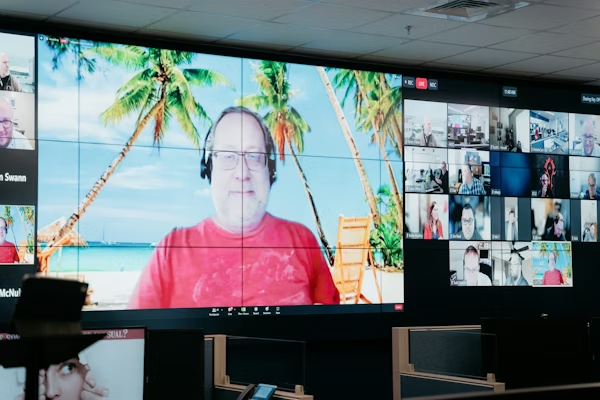
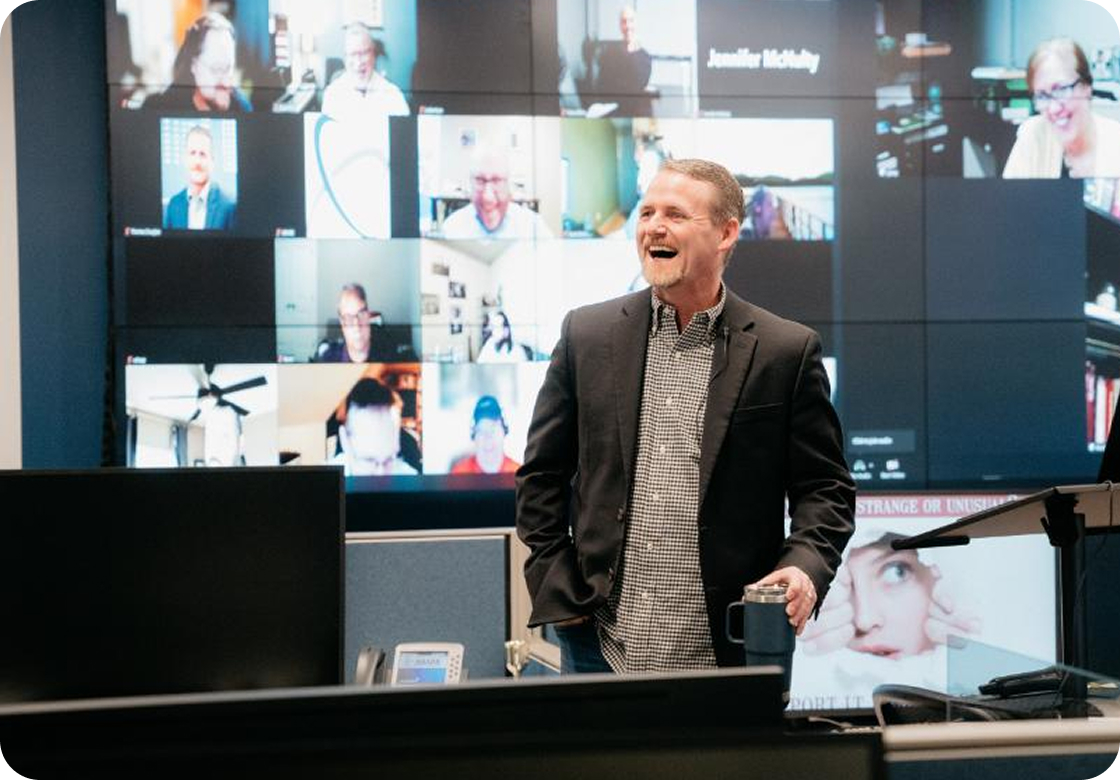
Video Conferencing Select one platform for video calls, one-on-ones, team meetings, and company-wide gatherings. At JMARK, we use Zoom and Microsoft Teams after testing multiple options. Consistency means no one wastes time figuring out how to join a call when it matters most.
Company Communication Platform A platform like Workplace from Meta gives employees a central hub for company news, team updates, events, and activities — whether they're in the office or in the field. Meeting recordings can also be stored and accessed here. Learn more about Workplace.
Chat Application Chat is critical for fast, efficient communication — and it's just as valuable in hybrid environments as fully remote ones. Leaders can use it to check in, answer questions, and resolve issues quickly without scheduling a full meeting.
Calendar Management Tools like Microsoft Outlook's calendar sharing let team members check each other's availability before reaching out. Clarity and accountability go hand in hand.
Structure creates accountability. Design a routine so every employee knows what's expected — even when they're not in the office.
At JMARK, most teams hold a daily morning standup of 10–15 minutes. The agenda typically covers:
Someone rotates note-taking duties so team members who miss a standup can catch up quickly. Beyond daily standups, divisions, departments, and the full company should each have their own meeting cadence — with tools in place to support both in-person and remote attendance.
To truly sustain accountability, you need tools that track work, measure progress, and align outcomes with expectations. At JMARK, this includes ticket management systems, project management tools like Trello, accounting software, and team-specific applications.
Other tools that can help measure performance include:
The goal is simple: set clear expectations, record production, and report on outcomes. When accountability is embedded in the team environment — rather than enforced through micromanagement — good people get the autonomy they deserve and the freedom to do their best work.
Whether your team is in-office, remote, hybrid, or spread across multiple locations, JMARK can help you put the right tools and systems in place. Contact us here or Schedule a Network Evaluation to get started.
1 min read
In-office. Remote. Hybrid. Multiple locations. No matter where or how your work gets done, dependable communication matters more than ever. While the...
2 min read
Building and maintaining a team of talented and dedicated employees is the cornerstone of any successful organization. At JMARK, being named a "Best...
3 min read
It has been said for years that people do not leave companies; they leave managers. In an environment defined by hiring and retention challenges,...